
How Drones Are Shaping the Future of EdTech
2025-07-14 18:00:00 | Helitip
|
Key Findings |
|
|---|---|
|
Fokides et al. |
Drone group did better in math; students felt good about learning |
|
Chou |
Better spatial skills and more motivation |
|
Yepes et al. |
Good STEM learning results with drones |
The Future of EdTech now uses drones as strong learning tools.
Key Takeaways
-
Drones make learning fun. They help students stay interested. Lessons become exciting adventures with drones.
-
Drones let students learn by doing things. This helps them get better at coding. It also helps with problem-solving and teamwork.
-
Flying and coding drones teach important skills. These skills include spatial thinking and digital literacy. These are useful for future jobs.
-
Safety is very important when using drones. Teachers need good training to use drones well. This helps everyone learn safely.
-
Drones help students get ready for future jobs. They teach real-world STEM skills. Drones also help students be more creative.
Student Engagement
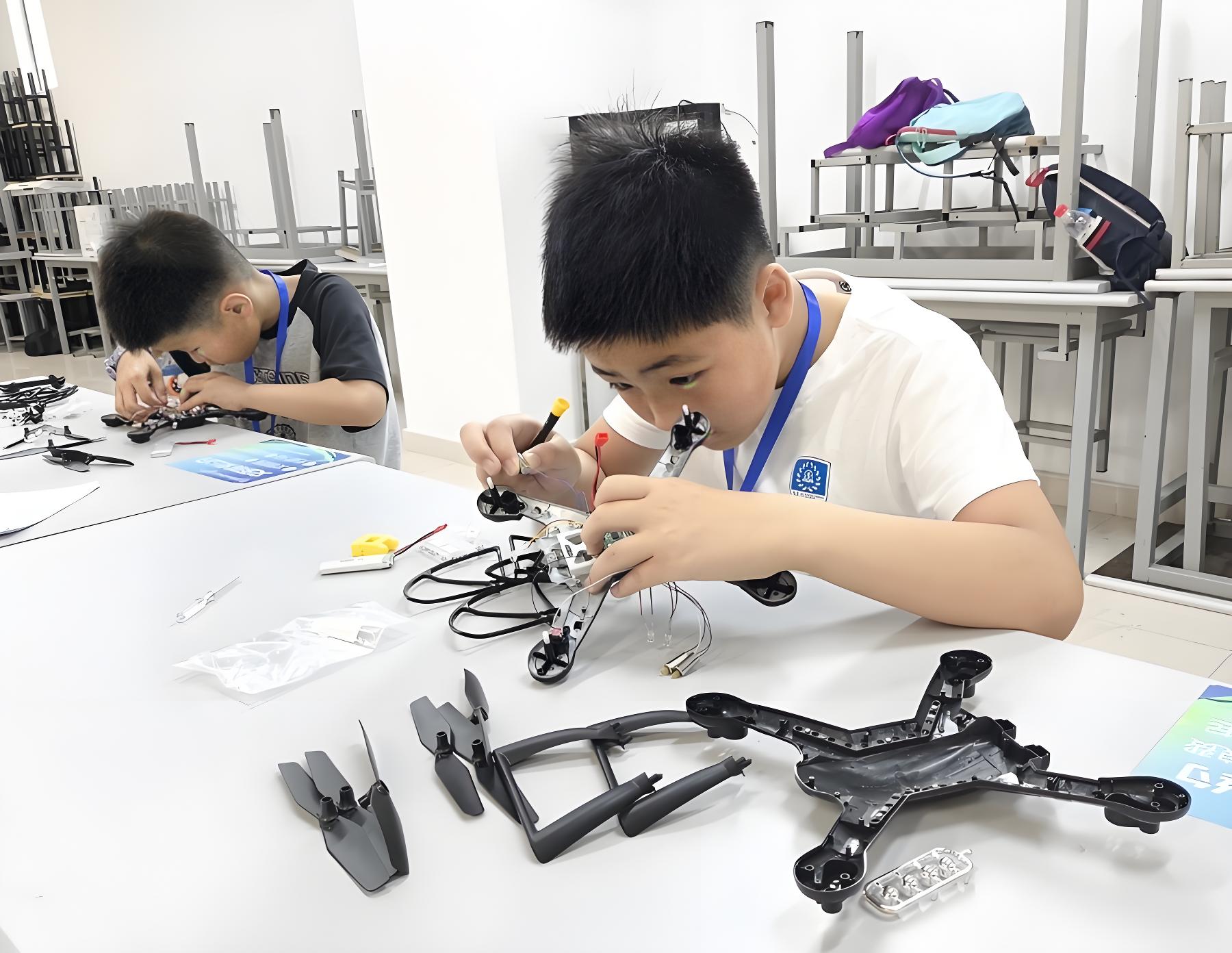
When drones come to class, things change a lot. Lessons become more fun and you pay better attention. One study showed that using First-Person View drones made students more interested. Students wanted to keep learning with drones. The drone group paid more attention than the group without drones. Teachers notice that drones make you curious and eager to join in.
-
Drones show you what the world looks like from above. This makes learning feel like an adventure.
-
Flying drones makes lessons playful. You want to take part.
-
You can work with friends and try different jobs, like pilot or observer. Everyone gets to help.
-
Teachers say students work harder and come to class more often.
-
Parents see you learn real skills, like drone safety, programming, and photography.
“When you fly a drone, you do not just watch—you act. You become part of the lesson.”
Computational Thinking
Coding Skills
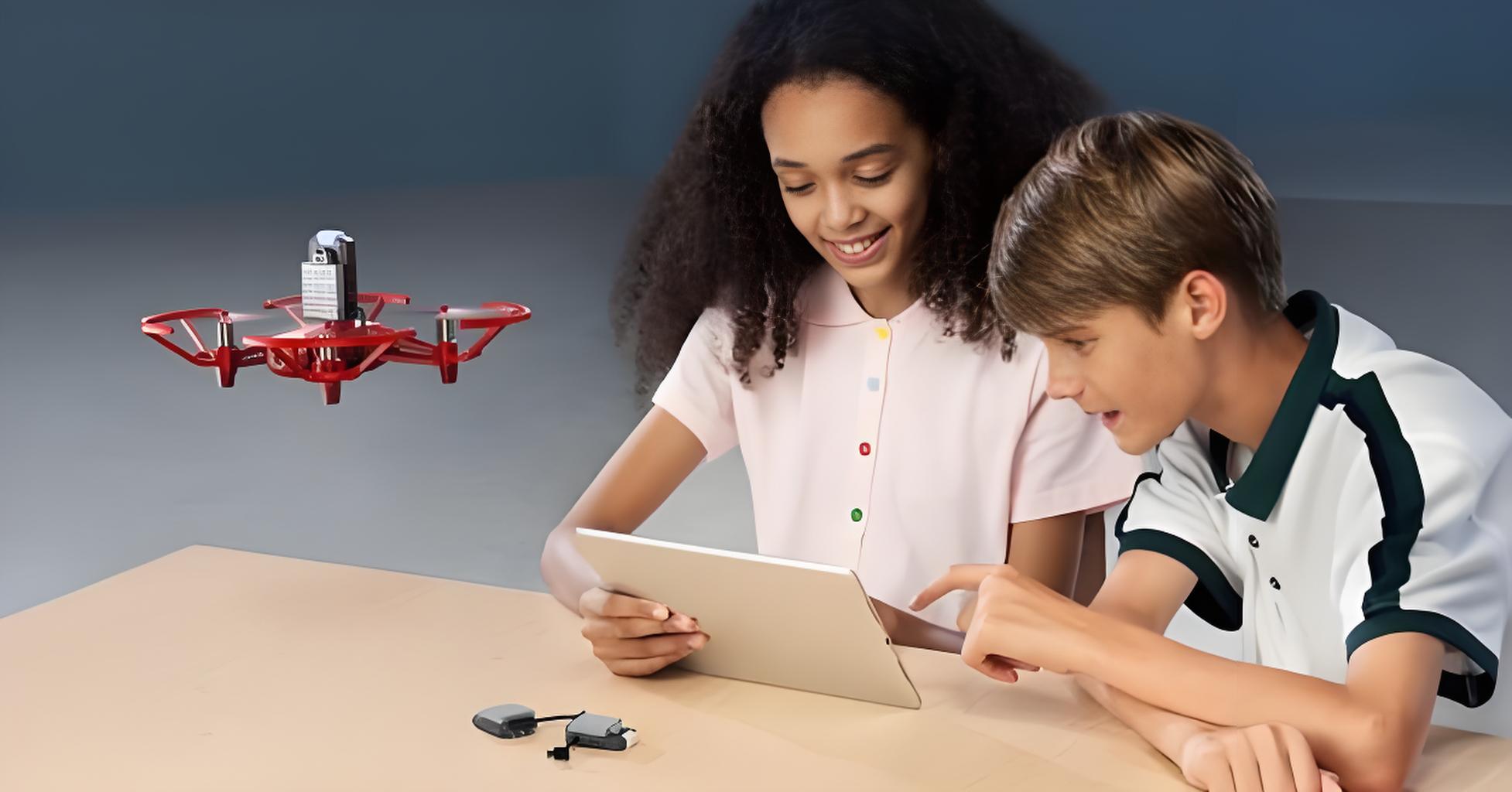
When you program a drone, you learn how to code in a way that feels real and exciting. You do not just type commands on a screen. You see your code come to life as the drone moves, turns, and completes missions. This hands-on experience helps you understand how coding works.
|
Aspect |
Explanation |
|---|---|
|
You get to see your code in action, which makes abstract ideas easier to understand. |
|
|
Block-Based Coding |
Tools like Scratch and Tynker let you drag and drop blocks, so you can focus on logic and problem-solving instead of worrying about spelling or punctuation. |
|
3D Thinking |
You must think about height, direction, and speed, which adds a new layer to your coding skills. |
|
Real-World Applications |
You can code drones to fly obstacle courses, deliver packages, or take photos, making your learning feel important and useful. |
|
Progressive Curriculum |
You start with simple block coding and move up to languages like Python or JavaScript as you get better. |
|
Simulation Tools |
You can test your code in a virtual world before flying a real drone, which helps you learn from mistakes and work with others. |
You build your coding skills step by step. You start with simple commands and move on to loops, variables, and even writing your own functions. You learn how to break big problems into smaller steps. You also get to try out your ideas, fix errors, and see instant results.
"When you code a drone, you become a creator. You make things happen in the real world."
Problem-Solving
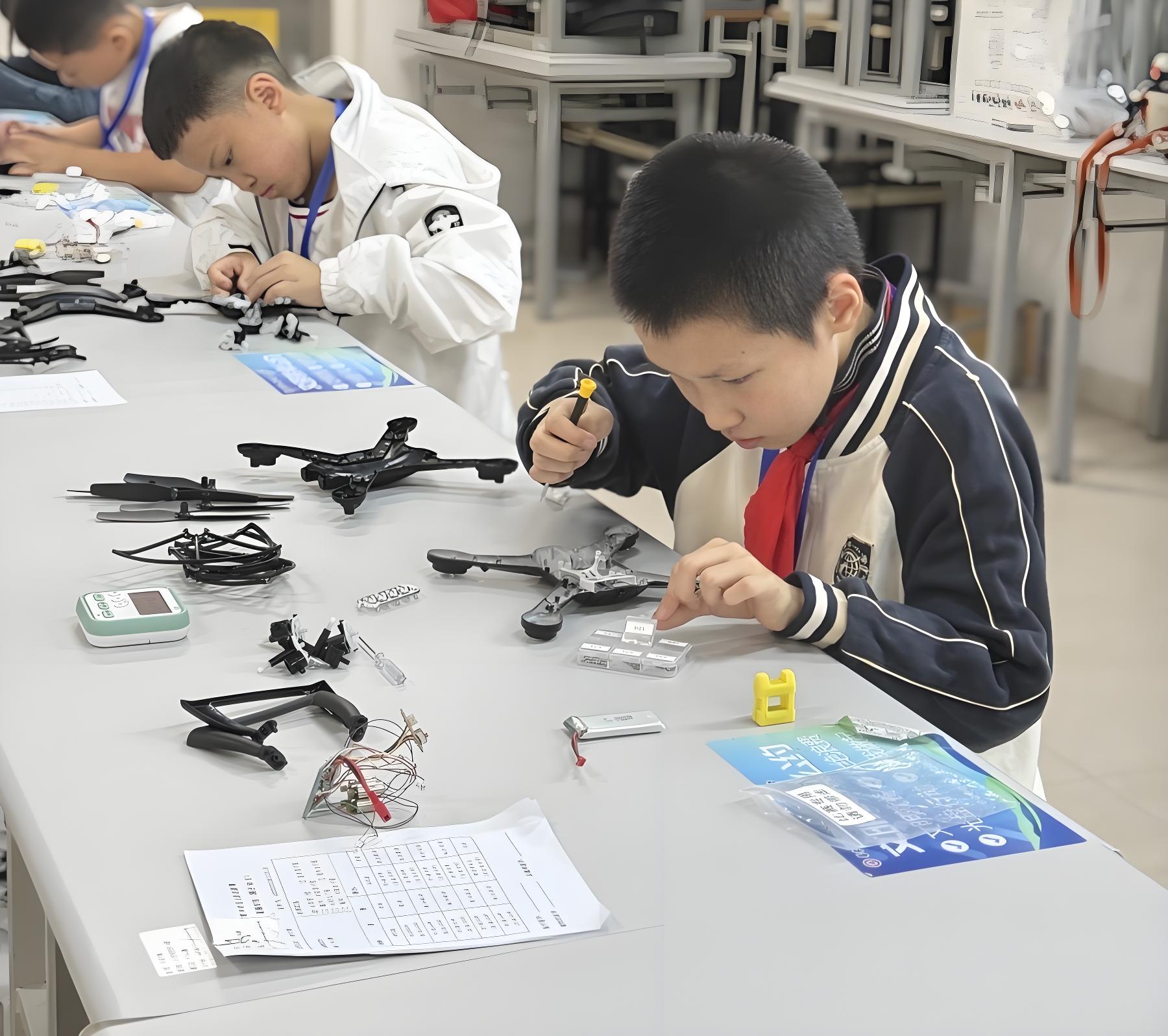
Drones turn you into a problem solver. You face real challenges, like making a drone fly through an obstacle course or collect data for a science project. You must plan, test, and adjust your code until the drone does what you want.
-
You work on projects that ask you to solve real-world problems, such as mapping a field or delivering a package.
-
You use teamwork to share ideas, test solutions, and improve your plans.
-
You learn to define problems, create step-by-step solutions, and test your ideas, just like engineers and scientists.
-
You use coding tools that show your code as blocks or puzzles, making it easier to see how each step fits together.
-
You connect your learning to real jobs, like using drones in farming, firefighting, or environmental science.
Digital Literacy
Drones help you become good with digital tools. You use coding sites like Scratch or Blockly to program drones. You also make slideshows or websites to show what you learn. The table below shows how drones help your digital skills:
|
Skill |
How You Use It With Drones |
|---|---|
|
Coding |
Program drones to fly missions |
|
Research |
Find information about drone uses |
|
Digital Content |
Make presentations and websites |
|
Teamwork Online |
Work together using digital tools |
Drones link digital skills with STEM. You learn to use technology in safe and creative ways. This helps you get ready for the Future of EdTech.
Future of EdTech
Trends
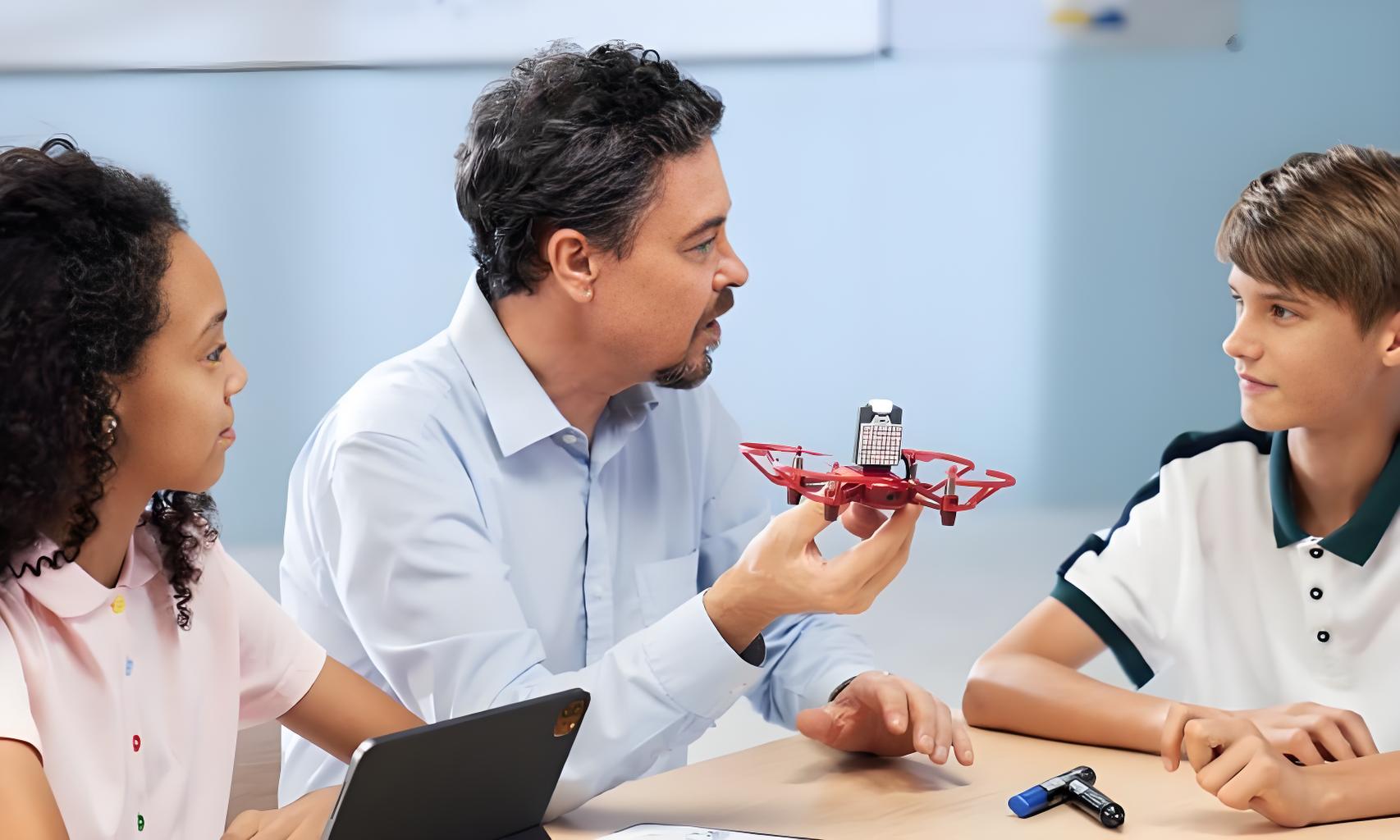
Drones are changing how schools use technology. You can do more than just fly drones now. Some schools have drone soccer teams. These teams are getting popular in the U.S. You learn teamwork and STEM skills while playing. Drones also help you learn about robotics and mapping. You can study data with drones too. Many schools add drones to clubs and science classes.
The Future of EdTech will use more AI tools. Drones can use AI to collect and study data. You learn how technology and AI work together. This helps you get ready for a world with lots of AI.
|
Region |
Key Growth Drivers |
|
|---|---|---|
|
North America |
12.5% |
Early use of new tools, big investments, helpful rules. |
|
Asia Pacific |
15.2% |
Government support, lower costs, focus on STEM. |
|
Europe |
11.8% |
STEM training, EU support, teamwork between schools and companies. |
Career Readiness
Drones help you get ready for jobs in the future. You practice skills like problem-solving and coding. You also learn to study data and control drones safely. Working with others is important too. These skills help you in jobs like engineering or emergency services.
Afterschool drone programs show you real jobs that use drones. You might learn how drones help in rescue work or building things. These programs make you want to try high-paying jobs. You also learn to think like a business owner. When you use drones, you see how STEM works in real life. This makes you feel more confident and ready for the future.
“When you fly a drone, you are not just playing. You are building skills for tomorrow’s world.”
Drones let you solve problems by doing things yourself. You can code and work with data using drones. You learn to work with others and think in new ways. You also get better at solving problems.
-
You use drones to make maps, build 3D models, and tell stories with pictures.
-
You learn skills that help you get jobs in technology later.
EdTech leaders think drones will be even more important soon. Drones work with AI and robotics now. Try using drones in your class or club. Start with easy projects and always follow safety rules. You will see your learning grow!